Coatings, Batterings & Breadings

Rice and pulse ingredients for crisp, well-adhered coatings and versatile gluten-free systems

Creating the right coating is about balancing crispness, adhesion, texture and processing performance without losing control of the finished product. Whether you are developing a batter for fried products, a breading for plant-based alternatives or a clear coating for French fries, the ingredient system needs to perform throughout processing and deliver the intended eating experience.

Rice and pulse ingredients offer different routes for developing coatings, batterings and breadings. Selected rice flours can support coating adhesion, batter viscosity and crisp texture, while pulse flours and starch concentrates can provide additional opportunities to adjust texture, colour, pickup and crunch. They can also support the development of gluten-free and clean-label formulations.
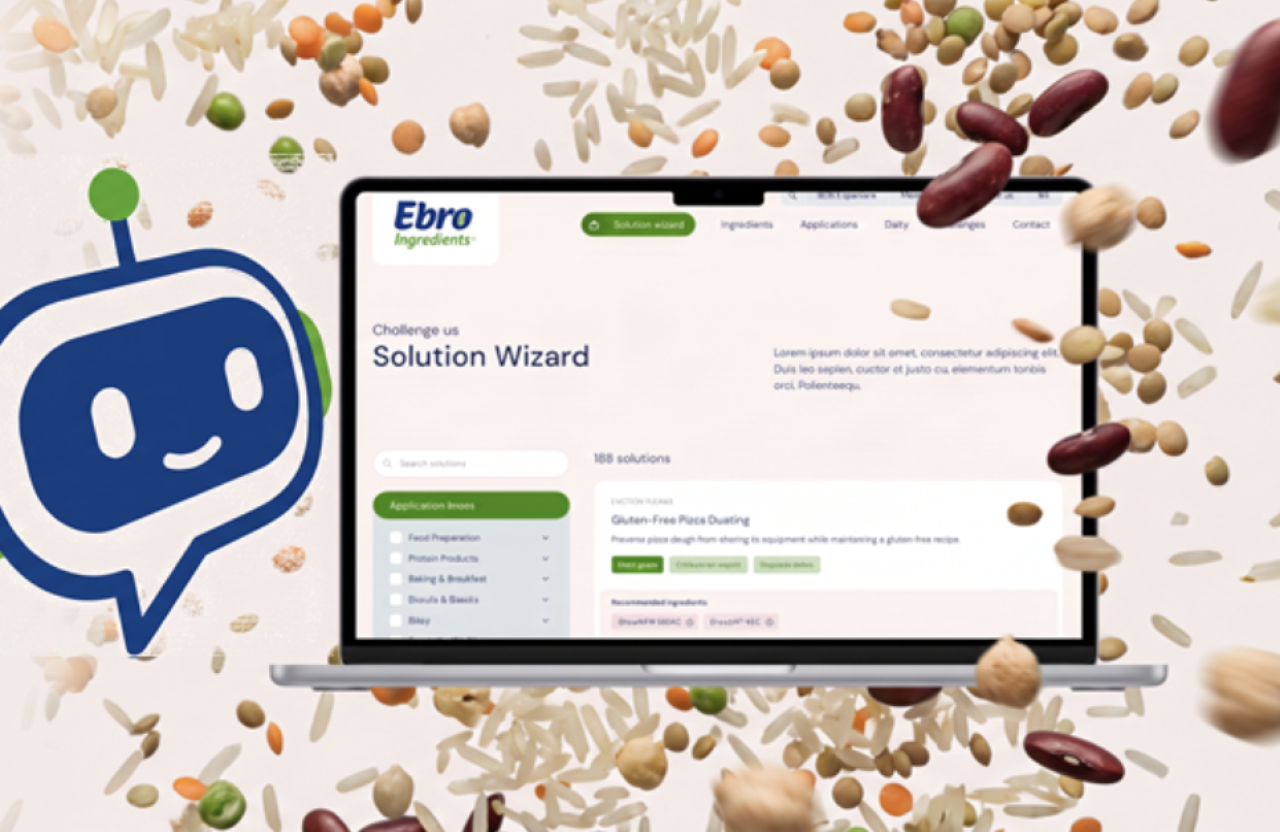
Our Solutions for Crispy Success

Crispy French Fry Coatings

Creates a crispy coating that extends holding time after frying.

Recommended ingredients

Extended Hold-Time French Fries

Keeps fries crispy for longer in foodservice applications.

Recommended ingredients

Crispy Battering Systems

Delivers crunchy textures in coated food applications.

Recommended ingredients

Plant-Based Nugget Coatings

Enhances crunch and coating adhesion for vegan nuggets.

Recommended ingredients

Frequently asked questions

How can I improve crispness in my batter or breading?

Start by defining the intended crispness, hardness and eating experience. Rice flours can provide a useful basis for light, crisp coating systems, while pulse flours and starch concentrates offer additional ways to adjust texture and colour. Their effect depends on the complete recipe rather than the ingredient alone.

Compare promising options using the same substrate, hydration and cooking conditions. Assess initial crunch, coating thickness, moisture migration and holding behaviour at the times relevant to your product. Fried, baked and air-fried systems should be evaluated separately because heat and moisture transfer differ.

Our developers are eager to examine your target texture with you and identify a sensible starting point for comparative trials.

How can I improve adhesion without making the batter too thick?

Improved adhesion begins with controlling the relationship between viscosity, pickup and surface coverage. Selected rice flours can support adhesion while helping maintain a relatively light coating. Pulse ingredients may increase viscosity and pickup, which can be useful when additional coverage or coating structure is required.

Evaluate viscosity during actual processing rather than immediately after mixing alone. Hydration time, temperature, shear, substrate moisture and line conditions can all influence performance. Compare raw pickup, coating uniformity and integrity after cooking or freezing before choosing an ingredient route or inclusion level.

If you are weighing several approaches, our application experts can help narrow the field before you move into line-representative trials.

How can I formulate a gluten-free batter or breading?

Rice ingredients provide a practical foundation for gluten-free batters, predusts and breadings. Pulse flours and starch concentrates can complement this foundation when the formulation requires more viscosity, pickup, colour or a different textural profile. The most relevant combination depends on the substrate and desired coating style.

Avoid treating a gluten-free ingredient as an automatic one-to-one replacement for wheat flour or another starch source. Benchmark each system for adhesion, flow, coverage, expansion and crispness under representative processing conditions. Ingredient specifications and allergen documentation should also be reviewed for the exact selected grade.

Bring us your target product and formulation constraints, and we can explore which gluten-free ingredient direction is most relevant to assess.

Can pulse ingredients help adjust colour and texture?

Yes. Pea, chickpea and lentil ingredients offer different opportunities to influence colour, crunch and coating structure. Their natural composition can create distinct sensory and processing effects, so the choice should be guided by the intended finished product rather than by ingredient category alone.

Evaluate pulse ingredients individually and in combination with rice ingredients. Useful criteria include batter viscosity, pickup, surface colour, hardness, crispness and flavour impact. The substrate and cooking method can materially affect the result, making fried and oven-baked comparisons particularly valuable when both preparation routes are intended.

Our technical colleagues are available to explore these trade-offs with you and define a practical comparison for your coating system.

What should I evaluate when comparing coating ingredients?

Begin with a clear product brief covering texture, adhesion, appearance and processing requirements. Then compare candidate ingredients against a consistent baseline using the same formulation, substrate, hydration procedure and cooking conditions. This makes functional differences easier to interpret.

Measure what matters for the intended product, such as batter viscosity, pickup, coating uniformity, cooking loss, crispness and holding quality. Include freezing, reheating or foodservice holding where relevant. Similar ingredient descriptions do not establish equivalent application performance, so a controlled trial should precede any final formulation or supplier change.

Every coating system has its own constraints, so our team can help turn your product brief into a focused and useful test strategy.

Form successfully sent. We will contact you as soon as possible.

Cookies

This website uses cookies to improve the browsing experience. Some cookies are necessary for the proper functioning of the website. You can refuse cookies, but this may impact the browsing experience. More info