Infant Food

Traceable rice ingredients for demanding infant food formulations

Infant food development requires careful control of ingredient quality, texture and processing behaviour.

Whether you are formulating infant cereals, porridges or purées, the selected rice ingredient must support the intended consistency while meeting your project’s specific quality and compliance requirements.

Ebro Ingredients offers baby food grade rice flours, including organic options, with routes for natural thickening, viscosity development and smooth texture.
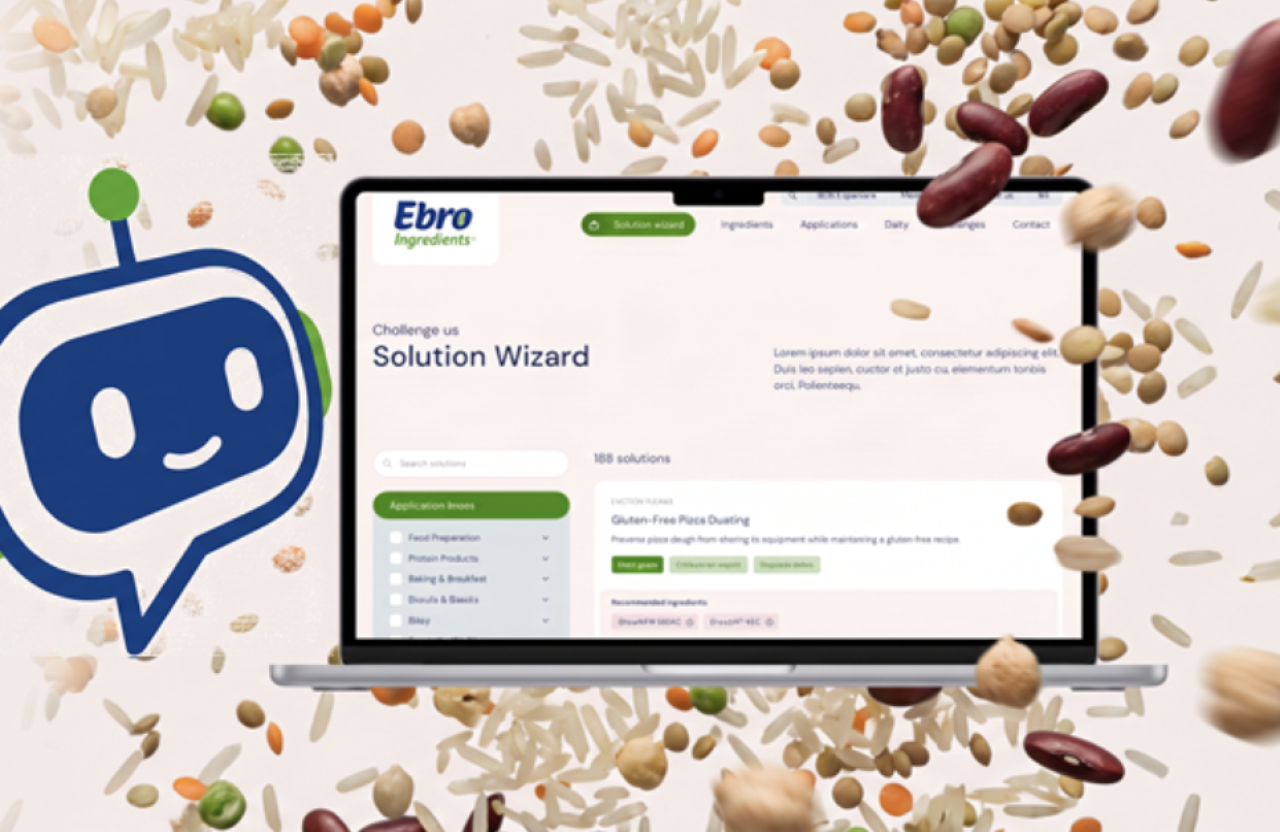
Our Solutions for Gentle Nutrition

Infant Cereals

Provides highly digestible ingredients for baby cereals.

Organic Infant Food Solutions

Supports organic baby food formulations.

Baby Food Thickening

Creates smooth and stable textures in infant foods.

Recommended ingredients

Clean Label Baby Meals

Enables simple ingredient declarations for baby foods.

Frequently asked questions

Which rice ingredient should I select for an infant food formulation?

The right choice depends on your target product, process and preparation method. A native baby food rice flour may be suitable when viscosity is developed during cooking, while a pregelatinised option can be evaluated where cold or rapid hydration is required. Particle size, amylose profile, heat treatment and the desired final consistency may also influence selection.

Organic status and project-specific quality requirements should be considered from the outset.

Testing candidates in the complete formulation is important because other ingredients and processing conditions can change their behaviour.

Our experienced team can help you compare the ingredient routes that best fit your formulation and identify suitable options for initial trials.

How can rice flour help control texture in infant cereals and porridges?

Rice flour can provide thickening, water binding and texture development when its starch fraction hydrates during preparation. The resulting behaviour depends on the flour type, amylose profile, particle size, processing history and heating conditions. For infant cereals and porridges, developers should assess the viscosity curve, smoothness and spoonable consistency at the intended solids level and preparation temperature.

Behaviour during cooling and holding should also be checked, particularly when the product must remain consistent throughout consumption. Results should always be confirmed in the finished recipe.

A short discussion with our team can help translate your texture target and preparation instructions into a focused comparison plan.

Can rice ingredients be used in infant fruit and vegetable purees?

Selected rice flours and rice starches can be evaluated for consistency and viscosity control in fruit or vegetable purees. The most appropriate route depends on the desired texture, the product’s pH and solids content, the thermal process and whether viscosity must develop before, during or after heating.

Flavour impact, colour and mouthfeel should be assessed alongside processing behaviour. Because fruit and vegetable systems vary substantially, the ingredient level and processing sequence need to be established through application trials rather than transferred directly from another formulation.

Bring us your target puree and process constraints, and we can explore which rice ingredient direction is most relevant to assess.

What should I evaluate when choosing an organic infant food rice flour?

Begin by confirming the required organic certification, baby food grade specification and market destination with the relevant quality and regulatory teams. From an application perspective, compare particle size, amylose profile, treatment method and viscosity development under the intended processing conditions. The flour should also be evaluated for dispersion, smoothness and consistency in the complete formulation. Organic and conventional options should not automatically be assumed to perform identically, so trials should use the actual ingredient under consideration. Any analytical or compliance requirements must be agreed for the specific product and project. If you are weighing several organic options, our application experts can help narrow the field before you move into trials.

How should I validate a rice ingredient in my infant food process?

Validation should reproduce the intended formulation, preparation instructions and industrial process as closely as possible. Monitor hydration, viscosity development, mixing behaviour, thermal response and final texture at the proposed dosage. Depending on the product, it may also be useful to assess holding behaviour, smoothness, sedimentation and changes during the planned shelf-life study. Quality, microbiological, analytical and regulatory acceptance should be reviewed separately against the product specification and destination market.

A structured comparison against your current formulation provides the clearest basis for ingredient selection.

Every formulation has its own constraints, so our team can help you work from your actual product brief towards a useful test strategy.

Cookies

This website uses cookies to improve the browsing experience. Some cookies are necessary for the proper functioning of the website. You can refuse cookies, but this may impact the browsing experience. More info