Pet Food & Feed

Functional rice and pulse ingredients for smarter animal nutrition

Pet food and feed formulations must balance nutritional targets, processing behaviour and consistent product quality. Ingredient selection can influence binding, water management and texture across dry, wet, extruded and cold-processed formats.

Ebro Ingredients offers rice and pulse ingredient routes for applications ranging from staple feed formulations to specialised companion-animal products. Depending on the product brief, these ingredients provide practical options to evaluate for protein or fibre enrichment, grain-free concepts and functional formulation support.
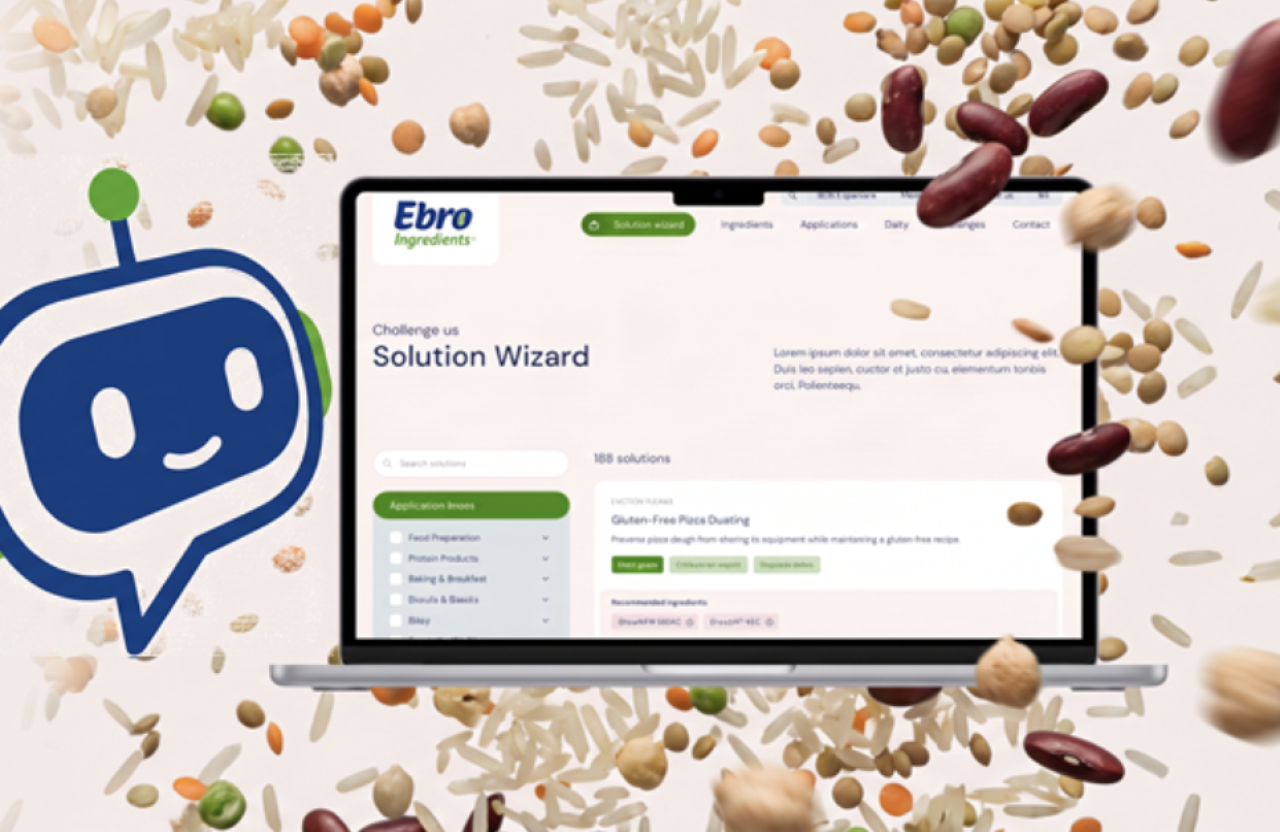
Our Solutions for Happy Tails.

Premium Pet Food Nutrition

Improves nutritional value in pet food formulations.

Recommended ingredients

Plant-Based Pet Food

Supports alternative protein strategies in pet food.

Recommended ingredients

Pet Food Protein Enrichment

Increases protein levels in dry and wet pet food.

Recommended ingredients

Grain-Free Pet Food Solutions

Enables grain-free product positioning.

Recommended ingredients

Premium Pet Treats

Creates high-quality pet treat formulations.

Recommended ingredients

Crunchy Pet Snacks

Delivers crisp texture in snack and treat applications.

Recommended ingredients

High-Fiber Pet Nutrition

Supports digestive wellness in pet food products.

Recommended ingredients

Functional Pet Food Solutions

Combines protein and fibre enrichment.

Nutritional Enrichment in Pet Food & Feed

Enriches pet food and feed with stabilized rice bran.

Recommended ingredients

Frequently asked questions

Which ingredients should I evaluate for protein enrichment in pet food?

Pulse protein concentrates provide a plant-based route to consider when developing protein-enriched pet food. Pea, fava bean and chickpea options allow formulators to compare protein contribution alongside factors such as taste, texture, water interaction and processing behaviour. The right choice depends on the animal species, nutritional brief, inclusion level, recipe composition and production process. Any finished-product nutritional claim should be confirmed using the complete formulation, applicable analytical methods and relevant local requirements.

For a targeted starting point, our application experts can discuss your process, product target and the ingredient options worth screening first.

How can rice ingredients support pet food processing?

Rice ingredients can be evaluated for binding, texturising and recipe-carrier functions in pet food and feed formulations. Native or pregelatinised rice flours may behave differently according to their treatment, particle size and viscosity profile. This makes grade selection important for extrusion, wet processing, cold-pressed formats and treat production. Broken rice may also serve as a practical raw-material option where its nutritional composition and process behaviour suit the product brief. Performance should be assessed under the intended moisture, temperature and shear conditions.

Bring us your target product and processing constraints, and we can explore which rice ingredient direction is most relevant to assess.

What should I consider when developing a grain-free pet food?

A grain-free formulation requires more than replacing a cereal ingredient. The alternative must also support the required starch contribution, binding, texture and processing stability. Pulse flours and pulse starch concentrates provide routes worth evaluating, but their behaviour will vary with botanical source, inclusion level and process conditions. Nutritional balance, palatability, kibble structure and label positioning should therefore be considered together. Grain-free positioning and ingredient suitability must also be checked against the finished recipe and the applicable market requirements.

If you are weighing several approaches, our application specialists can help narrow the field and create a focused comparison for your first trials.

How can I improve binding in cold-pressed pet food or feed?

Pregelatinised flours can provide cold-water functionality, making them relevant candidates where limited thermal treatment is available during processing. Pregelatinised pea or rice flour may be assessed for binding and water management in cold-pressed formats, depending on the formulation. Results can be affected by moisture addition, fat level, particle size, mixing sequence and compression conditions. Trials should therefore examine pellet or product integrity alongside handling, storage stability and the intended nutritional profile rather than treating binding as an isolated target.

A short discussion with our technical colleagues can turn these variables into a practical trial plan based on your equipment and baseline formulation.

How do I select an ingredient for fibre enrichment?

Start with the intended nutritional profile and finished-product format. Pulse fibre and rice bran ingredients offer different compositional and functional characteristics, so selection should consider fibre contribution, water binding, texture, process tolerance and the effect on the overall recipe. Wet foods, dry products, treats and feed pellets may each require a different balance. The appropriate inclusion level cannot be set independently of the full formulation, and any fibre-related claim should be supported by finished-product analysis and assessed against relevant regulatory criteria.

Every formulation has its own constraints, so our team can help translate your brief into a useful ingredient-screening strategy and identify samples to evaluate where appropriate.

Need help with your Pet Food or Feed Formulations?

Form successfully sent. We will contact you as soon as possible.

Cookies

This website uses cookies to improve the browsing experience. Some cookies are necessary for the proper functioning of the website. You can refuse cookies, but this may impact the browsing experience. More info