CicerPRO

Chickpea Protein Concentrates for Nutrition, Texture and Versatility

CicerPRO is a fine chickpea protein concentrate developed for manufacturers looking to combine plant-based protein enrichment with useful formulation functionality.

Made from dehulled chickpeas, it offers a distinctive chickpea-based option for applications in which nutrition, texture and ingredient identity all influence product selection.

The range is relevant for plant-based drinks, frozen desserts, bakery products, protein bars, pasta, snacks and meat alternatives. Its fine particle profile can support dispersion and formulation flexibility, while its protein and fibre composition make it particularly relevant to nutritionally enriched concepts.

Request product specifications

Nutritional properties

Nutritional values per 100 gram of product.

Calories 388 Kcal
Carbohydrates 18 g
Protein 49 g
Total Fat 8 g
Fiber 17 g
Cholesterol 0 g

Nutritional values are indicative and may vary between available variants and can be subject to change.
Always request the latest up-to-date specification for the selected variant.

A selection of our available variants

CicerPRO CPD50

A protein concentrate made from dehulled chickpeas, providing approximately 50% protein for smooth incorporation and protein enrichment.

Frequently asked questions

When is the fine particle profile of CicerPRO chickpea protein concentrate interesting to evaluate?

If smooth dispersion or limited particle perception matters, CicerPRO chickpea protein concentrate is a relevant option to evaluate. Its very fine particle profile can support initial selection for drinks, frozen desserts, bakery products and other systems where powder distribution influences processing or sensory quality.

However, notice that particle size alone does not establish solubility, smoothness or finished-product stability. Test the ingredient under your intended hydration, mixing, heating and shear conditions, focusing on dispersion, mouthfeel and texture.

Our team is happy to provide product-specific technical information and sample-selection support. We can help you define the particle, dispersion and process criteria for a focused first trial.

How should CicerPRO chickpea protein concentrate be tested in plant-based drinks?

If you are developing a dairy-free or protein-enriched drink, begin by deciding how CicerPRO chickpea protein concentrate should contribute to nutrition, texture and emulsion stability. A representative trial should focus on dispersion, sedimentation, mouthfeel and stability through the intended heat treatment and storage process.

Existing application work supports its relevance in plant-based drinks, but this does not establish a universal dosage or guarantee performance in a different recipe. Water quality, pH, fat, stabilisers, shear and heating conditions may all change the result.

Our application team can support a structured beverage evaluation. Together, we can identify the processing and sensory criteria that matter most to your concept.

Can CicerPRO chickpea protein concentrate support protein and fibre enrichment in bakery products?

CicerPRO chickpea protein concentrate can be evaluated when you want to increase the plant-protein contribution of biscuits, bars or other bakery products while also introducing chickpea-derived fibre. Its composition and fine powder format provide a useful starting point for protein and fibre enrichment.

The ingredient may also affect dough consistency, water requirement, colour, flavour and finished-product texture. Nutritional claims cannot be determined from the ingredient specification alone because they depend on dosage, the complete recipe and applicable legislation.

Our specialists are available to support a representative bakery trial. We can help you evaluate nutrition targets, dough behaviour and finished-product quality before progressing.

How should I choose between PisumPRO pea protein concentrate, ViciaPRO fava bean protein concentrate and CicerPRO chickpea protein concentrate?

If you are evaluating a pulse protein concentrate, start by defining the primary role the ingredient should play in your formulation. They all contribute plant-based protein, but may support different product-development objectives.

PisumPRO pea protein concentrate is often evaluated for protein enrichment, emulsification and texture development in applications such as plant-based sauces, dressings, meat alternatives, sports nutrition products and protein-enriched foods. It is effecive in dairy alternatives, egg-replacement concepts and vegan formulations.

ViciaPRO fava bean protein concentrate may be particularly relevant when you are developing bakery products, snacks, plant-based foods and clean-label formulations and want to explore the nutritional and functional characteristics of fava bean protein.

CicerPRO chickpea protein concentrate can be an interesting option for Mediterranean-inspired products, savoury applications, snacks, spreads and plant-based formulations where chickpea ingredients already play a natural role in the product concept.

The most suitable option depends on the required functionality, flavour profile and finished-product objectives rather than on protein content alone.

These protein concentrates should not be assumed to be technically interchangeable or equivalent at the same dosage. Compare protein contribution, flavour profile, texture development, processing behaviour and the nutritional targets of the finished product under representative production conditions before making a final selection.

Our application specialists are happy to support a structured comparison of pulse protein concentrates. Together, we can help identify the protein solution that best fits your formulation, application and commercial goals.

Which sensory and processing factors should be evaluated when using CicerPRO chickpea protein concentrate?

When considering CicerPRO chickpea protein concentrate, include its chickpea identity in the formulation brief. The ingredient has a golden-beige appearance and characteristic chickpea profile, which may complement some savoury, bakery and chickpea-led concepts but requires evaluation in more neutral applications.

Test hydration and mixing behaviour alongside colour, flavour, mouthfeel and texture after the full production process. Masking systems or recipe adjustments may be relevant, but their effectiveness cannot be predicted from product information alone.

Our experts can help you plan a focused sensory and process assessment. We can work with you to identify the appearance, flavour and texture criteria needed for an informed decision.

Not sure where to start?

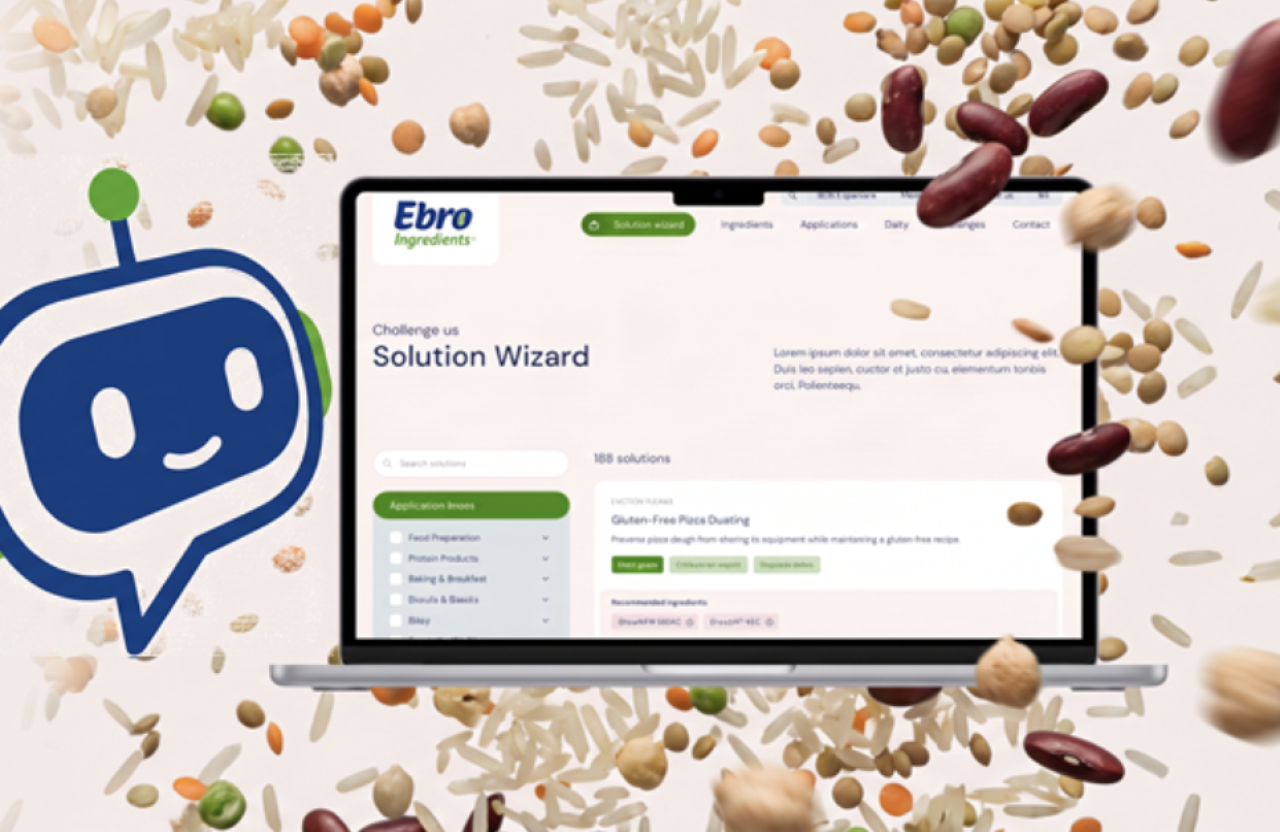
Use our Solution Wizard

Questions about this ingredient?

Form successfully sent. We will contact you as soon as possible.

Cookies

This website uses cookies to improve the browsing experience. Some cookies are necessary for the proper functioning of the website. You can refuse cookies, but this may impact the browsing experience. More info