Ice Cream

Build creamier frozen concepts with rice and pulse ingredients

Creating ice cream with the right body, creaminess and stability becomes especially demanding when reducing dairy ingredients, increasing protein or adapting the nutritional profile. Every change can affect viscosity, overrun, melting behaviour and the eating experience.

Ebro Ingredients offers rice starches and pulse proteins as formulation routes for conventional and plant-based frozen desserts. Depending on the recipe and process, these ingredients can be evaluated for texture development, emulsification and nutritional enrichment, helping formulators balance functionality with their intended product positioning.
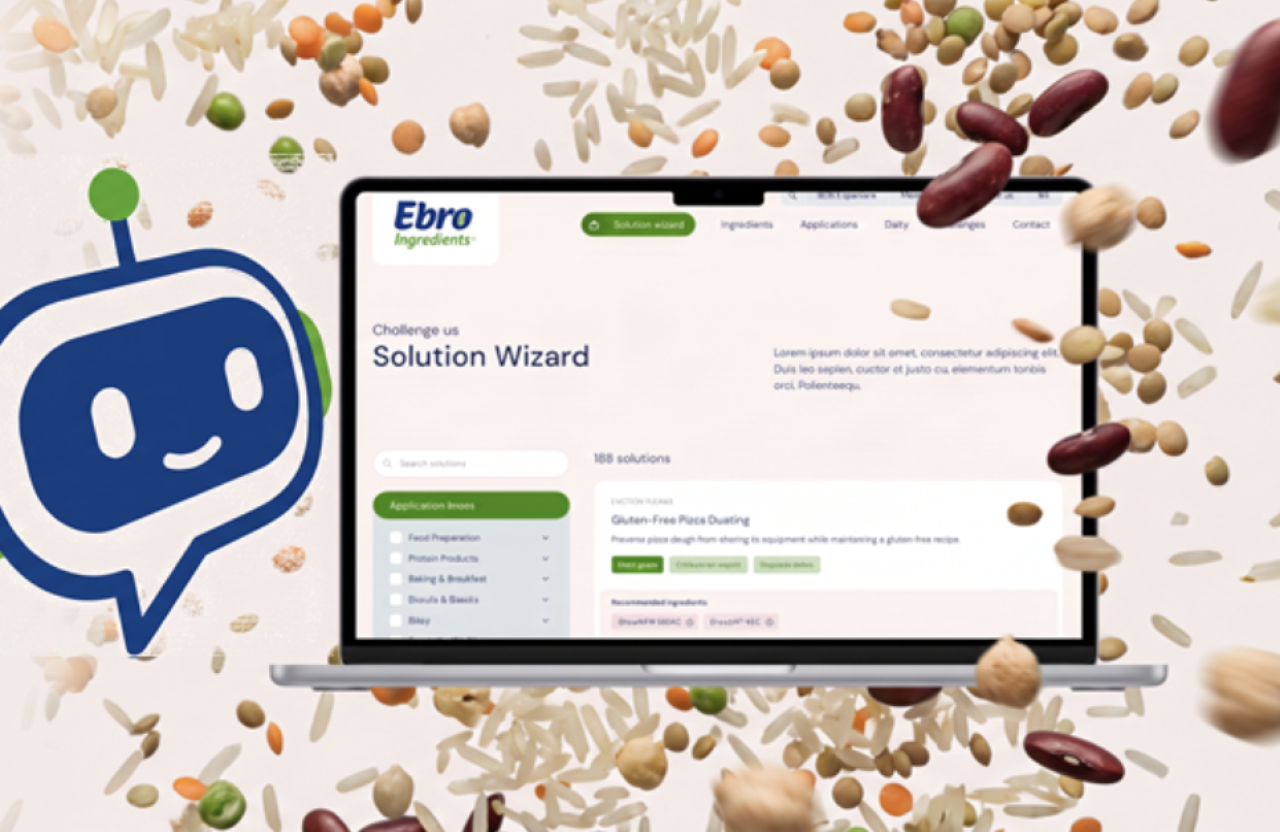
Hot Creations from Frozen

Plant-Based Ice Cream

Improves creaminess and body in vegan ice cream formulations.

Recommended ingredients

High-Protein Ice Cream

Increases protein content while maintaining indulgent texture.

Recommended ingredients

Dairy-Free Frozen Desserts

Supports dairy-free frozen dessert formulations.

Recommended ingredients

Premium Ice Cream Texture

Delivers richness and creaminess in premium frozen desserts.

Recommended ingredients

Plant-Based Protein for Dairy Alternatives

Adds chickpea protein to dairy-free drinks and ice cream.

Recommended ingredients

Frequently asked questions

How can I improve creaminess in plant-based ice cream?

Creaminess in plant-based ice cream depends on the complete formulation, including the fat system, protein source, total solids, sweeteners, stabilisers and freezing process. Rice starch and pulse protein ingredients can be evaluated to support body, viscosity or emulsification within this wider system. The appropriate route depends on the chosen plant base and the desired balance between smoothness, overrun and melting behaviour. Bench trials should compare the ingredient options under the intended processing and storage conditions rather than assessing the mix before freezing alone.

Bring us your target product and constraints, and we can explore which ingredient direction is most relevant to assess.

Can pulse proteins be used in high-protein ice cream?

Pulse protein concentrates offer a potential route to protein enrichment in conventional or plant-based ice cream. Their effect extends beyond the nutrition declaration because additional protein can influence hydration, viscosity, aeration, flavour and the frozen product’s texture. The selected protein, dosage and surrounding formulation should therefore be assessed together. A practical screening programme can compare pea, fava bean or chickpea protein routes while monitoring mix behaviour, overrun, hardness, melting and sensory quality. Any nutritional claim must be checked against the final recipe and applicable market requirements.

If the question is what to test first, our experienced application team can help prioritise the most relevant protein options.

Which rice ingredient should I evaluate for ice cream texture?

The most relevant starting point depends on the required texture and how the manufacturing process activates the ingredient. Rice starches can be considered where the formulation needs additional viscosity, body or texture support, while soluble rice flour may be relevant when building solids or adjusting mouthfeel. The choice should reflect the heating profile, shear, homogenisation, ageing and freezing conditions. Formulators should compare candidates in the complete recipe because performance may change with fat, protein, sugar and stabiliser levels. Measurement after freezing and storage provides a more useful assessment than mix viscosity alone.

For a more targeted starting point, our application experts can discuss your process, product target and ingredient options with you.

How should I assess an ingredient’s effect on ice cream stability?

Begin with a controlled reference and change one ingredient variable at a time. Useful comparisons may include mix viscosity, overrun, hardness, melting behaviour and sensory texture, supported by observations through the intended frozen-storage period. Processing conditions should remain consistent because pasteurisation, homogenisation, ageing, freezing rate and draw temperature can all influence the result. For plant-based recipes, emulsion quality and interactions between proteins, fats and stabilisers also deserve attention. The purpose is to identify a formulation route worth optimising, not to assume that one ingredient will provide complete stability on its own.

A short discussion with our team can help turn your stability question into a focused trial plan.

Can I add fibre without compromising the eating experience?

Fibre enrichment is possible, but its effect should be evaluated carefully because fibre may change water distribution, mix viscosity and perceived texture. A concentrated pea fibre can be screened at different inclusion levels alongside adjustments to the liquid phase and total solids. The most suitable level depends on the desired nutritional profile, serving size and product format. Assess processability as well as the frozen product, paying particular attention to smoothness, hardness, melting and flavour. Any fibre-related claim should be calculated from the complete formulation and verified against the regulations of the intended market.

Every formulation has its own constraints, so our team can help you work from your product brief towards a useful fibre test strategy.

May we help with your next ice cream creation?

Form successfully sent. We will contact you as soon as possible.

Cookies

This website uses cookies to improve the browsing experience. Some cookies are necessary for the proper functioning of the website. You can refuse cookies, but this may impact the browsing experience. More info