Desserts

Natural routes to creamy texture and smooth mouthfeel

Dessert developers need to balance creamy texture, smooth mouthfeel and reliable structure while meeting processing, labelling and dietary requirements. The right formulation must perform throughout production and deliver the intended eating experience without masking the product’s characteristic flavour or appearance.

Selected rice flour and rice starch technologies offer routes worth evaluating for thickening, gelling and texturising. Options for cold-water viscosity can also support instant or no-cook concepts.

Ebro Ingredients can help identify a practical starting point for comparative trials.
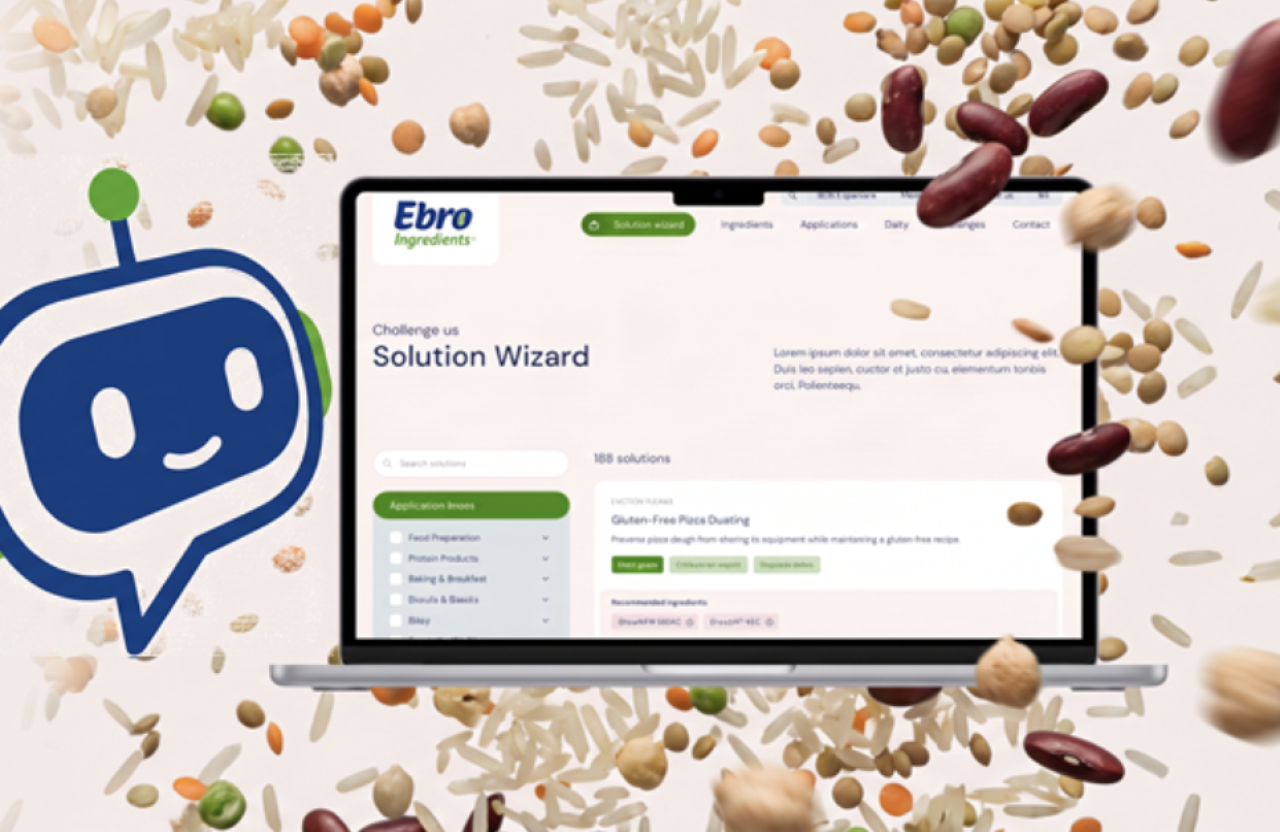
Our Solutions for Delicious Indulgence

Plant-Based Yogurt Texture Improvement

Creates a creamy and spoonable texture in dairy-free yogurt alternatives.

Recommended ingredients

High-Protein Plant-Based Yogurt

Increases protein levels in plant-based yogurt formulations.

Recommended ingredients

Dairy-Free Puddings

Provides body and creaminess in plant-based pudding applications.

Recommended ingredients

Vegan Custard Solutions

Creates rich custard textures without egg or dairy ingredients.

Recommended ingredients

Protein-Enriched Desserts

Increases protein content in dairy and non-dairy desserts.

Recommended ingredients

Reduced-Fat Dessert Formulations

Maintains indulgent texture with reduced fat content.

Recommended ingredients

Vegan Cheesecake Fillings

Delivers stability and creaminess in dairy-free cheesecake products.

Recommended ingredients

Frequently asked questions

How can I create a creamy texture in my dessert?

Start by defining the required body, spoonability and mouthfeel, as these qualities do not always come from the same ingredient functionality. Rice starch can be evaluated where a smooth, creamy gel and neutral sensory profile are desirable. Fine or pregelatinised rice flours may offer other routes to texture and viscosity, depending on whether the dessert is cooked or prepared cold. Ingredient selection should consider the heating profile, shear, solids level and interactions with proteins, fats and sugars. A controlled comparison in the complete formulation is the most reliable next step.

Our technical colleagues can help connect your desired eating experience with relevant ingredients to evaluate.

Which ingredient route should I consider for an instant dessert?

For an instant or cold-prepared dessert, begin with ingredients that can provide cold-water hydration or viscosity. Pregelatinised rice flour is a relevant evaluation route because its functionality can develop without a conventional cook-up stage. The appropriate option depends on the required viscosity, preparation temperature, mixing energy, standing time and particle perception. It is also important to test dispersion and resistance to lumping under the intended preparation conditions. Product information can guide initial selection, but it cannot determine the finished texture or dosage without trials in the full recipe.

A short discussion with our team can turn your preparation method and texture target into a focused trial plan.

How can I develop a plant-based pudding with a smooth mouthfeel?

A plant-based pudding often requires coordinated control of viscosity, emulsion stability and sensory quality. Rice starch or fine rice flour can be considered for body and smoothness, while selected pulse proteins may be evaluated where protein enrichment or emulsification is part of the brief. The best route will depend on the liquid base, fat system, protein content, heat treatment and desired flavour profile. Compare candidate ingredients against a defined benchmark and assess texture after processing and during the intended storage period. Avoid assuming that a single ingredient will replace every function in the original dairy system.

Bring us your target product and constraints, and we can explore which ingredient direction is most relevant to assess.

What should I evaluate when replacing a conventional thickener?

Define the incumbent thickener’s role before selecting an alternative. Compare hydration behaviour, viscosity development, gel character and process tolerance, rather than relying on an equal-weight substitution. Heating temperature, shear, pH, sugar concentration, proteins and minerals can all influence how rice-based ingredients perform. The assessment should include processing behaviour as well as the finished dessert’s spoonability, smoothness, flavour release and stability over its intended shelf life. A staged trial, starting with a benchmark and a limited number of variables, will provide more useful evidence than changing several formulation elements at once.

If you already have a baseline formulation, our team can help decide which alternatives are worth putting side by side.

Can rice ingredients support clean-label dessert development?

Rice flour and rice starch can provide thickening, gelling and texturising functionality while supporting a straightforward ingredient approach. Their relevance depends on the selected grade, required declaration and target market, so clean-label suitability should always be reviewed for the exact product and formulation. Rice-based options are especially worth exploring where neutral taste, light colour or creamy mouthfeel matter. They should not automatically be treated as direct substitutes for modified starches, hydrocolloids or emulsifiers, because each technology behaves differently. Representative trials should confirm processing fit and finished-product quality.

For reformulation work, our specialists can help assess which ingredient routes deserve a closer look in trials.

Can we help with your next dessert project?

Form successfully sent. We will contact you as soon as possible.

Cookies

This website uses cookies to improve the browsing experience. Some cookies are necessary for the proper functioning of the website. You can refuse cookies, but this may impact the browsing experience. More info