Cereals

Build texture, nutrition and processing performance into cereals

Developing breakfast cereals means balancing texture and crunch with processing behaviour, nutritional targets and positioning. In extruded cereals, ingredient choice can also influence how effectively the formulation performs during processing.

Ebro Ingredients offers rice and pulse ingredient routes for cereal development, including options for extrusion, gluten-free and organic formulations, and protein or fibre enrichment.
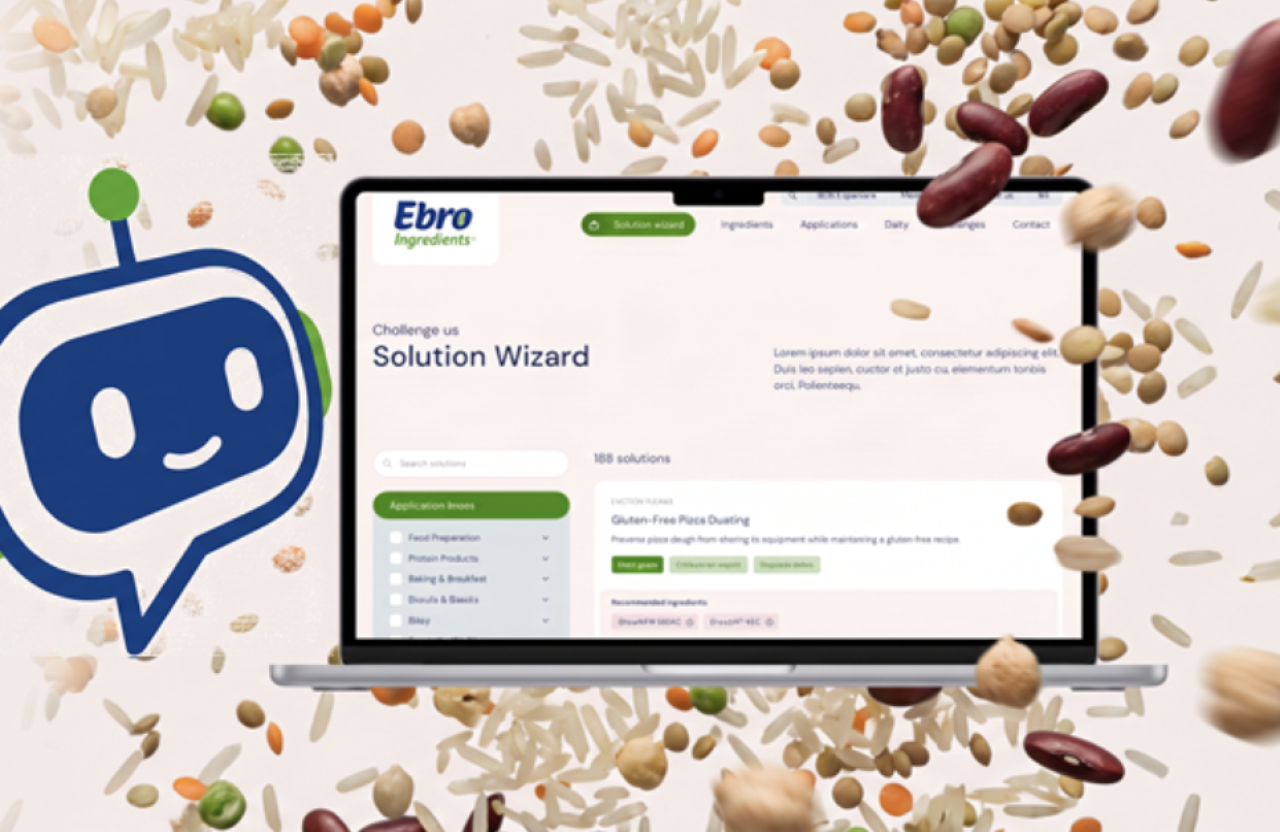
Our Solutions for a Better Start

Extruded Breakfast Cereals

Optimized rice flour functionality for cereal extrusion.

Recommended ingredients

High-Protein Breakfast Cereals

Increases protein content in breakfast cereals.

Recommended ingredients

High-Fiber Breakfast Cereals

Supports fibre claims in cereal applications.

Recommended ingredients

Gluten-Free Breakfast Cereals

Provides a gluten-free base for extruded cereals.

Recommended ingredients

Organic Breakfast Cereals

Enables organic cereal formulations with clean ingredients.

Recommended ingredients

Breakfast Cereal Texture Optimization

Controls expansion, crunch and bowl-life.

Recommended ingredients

Protein-Enriched Granola

Adds plant protein to granola products.

Recommended ingredients

Protein-Enriched Muesli

Delivers protein fortification in muesli products.

Recommended ingredients

Puffed Breakfast Cereals

Uses rice, pulse and maize pearls for cereals.

Quinoa-Enriched Breakfast Cereals

Gluten-free quinoa cereals with distinctive identity and texture.

Recommended ingredients

Frequently asked questions

Which ingredients should I evaluate for extruded breakfast cereals?

Rice flour is a relevant starting point for extruded cereal development. Selecting the appropriate flour requires consideration of particle size, starch characteristics, the other dry ingredients and the intended process. Different rice flour grades can be evaluated when targeting different expansion and texture profiles.

For example, Ebro Ingredients offers rice flour options specifically intended for cereal extrusion, including routes for conventional and organic concepts. Actual extrusion behaviour should still be assessed in the complete formulation because recipe and processing conditions influence the finished cereal.

If the question is what to test first, our experienced application team can help prioritise the most relevant ingredient options for your extrusion trials.

How can I develop a gluten-free breakfast cereal?

Rice ingredients provide a useful base for developing gluten-free cereal formulations and can be selected according to the extrusion process and desired texture. Rice flours intended for cereal extrusion offer different routes to explore when balancing expansion, crunch and processing behaviour.

Gluten-free positioning, however, depends on the complete formulation and appropriate ingredient handling rather than one ingredient alone. Other recipe components and manufacturing conditions therefore need to be considered when designing and validating the product.

Bring us your target cereal, process and texture requirements, and we can explore which rice ingredient direction is most relevant to assess.

How can I increase the protein content of breakfast cereals?

Pulse protein concentrates can be evaluated when developing protein-enriched breakfast cereals. Pea and fava bean protein ingredients are among the routes available for increasing plant protein within cereal formulations and can support plant-based product development.

Adding protein also changes the formulation, so the appropriate inclusion level should be established through trials rather than treating enrichment as a simple substitution. Texture, extrusion behaviour and sensory quality are important evaluation points alongside the intended nutritional target and applicable claim requirements.

If you already have a baseline formulation, our team can help you decide which protein alternatives are worth putting side by side in development trials.

Which ingredients can I evaluate for higher-fibre cereals?

Pea fibre is one route to investigate when targeting fibre enrichment in breakfast cereals. Wholegrain rice ingredients can also be relevant depending on the formulation, desired cereal format and product positioning.

The best approach depends on how much fibre you want to introduce and how the revised recipe behaves in your process. Fibre addition can therefore be evaluated alongside expansion, texture and eating quality, rather than focusing only on the nutritional target. Final nutrition and fibre claims should be validated against the complete recipe and applicable market requirements.

For projects like this, our application specialists can help translate your fibre target into practical ingredients to evaluate.

How do I choose between rice and pulse ingredients for a cereal formulation?

Start with the main objective of the formulation. Rice ingredients are particularly relevant when the development priority involves cereal extrusion, gluten-free formulation or texture, while pulse-derived ingredients provide additional routes for protein or fibre enrichment. They can also be assessed together when several objectives need to be balanced.

Selection should reflect the intended manufacturing process, target texture, recipe composition and nutritional brief. Rather than choosing purely by ingredient category, compare candidate technologies within the actual cereal formulation and process conditions you intend to use.

A short discussion with our team can help turn those requirements into a focused ingredient comparison and practical trial plan.

Need help in improving your Cereals formulation?

Form successfully sent. We will contact you as soon as possible.

Cookies

This website uses cookies to improve the browsing experience. Some cookies are necessary for the proper functioning of the website. You can refuse cookies, but this may impact the browsing experience. More info