Pasta, Noodles & International Specialties

Ingredients for structure, nutrition and processing flexibility

Developing pasta, noodles, wrappers and related dough products requires the right balance between processability, structure and eating quality. Gluten-free recipes, protein enrichment and unfamiliar raw materials can affect dough handling, forming, cooking behaviour and bite.

Ebro Ingredients offers rice and pulse ingredient routes for manufacturers seeking gluten-free formulation, targeted texture or plant-based nutritional enrichment. The appropriate approach depends on the product format, process conditions and desired finished-product profile, making application testing an essential part of development.
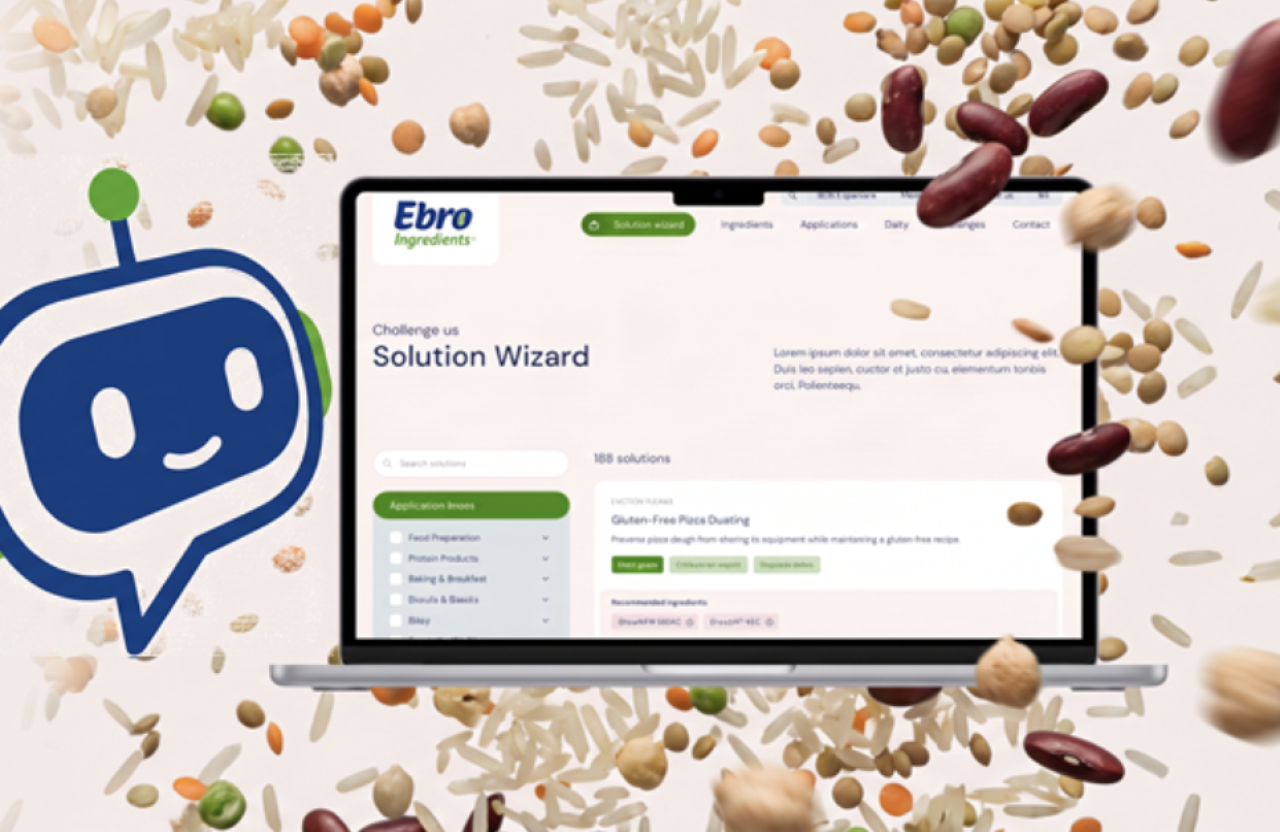
Our Solutions for a World of Possibilities

Gluten-Free Pasta Solutions

Improves structure and cooking stability in gluten-free pasta.

Recommended ingredients

Protein-Enriched Noodles

Delivers protein fortification for noodle applications.

Recommended ingredients

Rice Wrappers

Provides smooth and flexible rice wrapper functionality.

Recommended ingredients

Mochi dough Applications

Creates authentic mochi texture and elasticity.

Recommended ingredients

Asian Dumpling Solutions

Improves dough functionality in dumpling applications.

Recommended ingredients

Clean Label International Cuisine

Supports clean ingredient declarations in global dishes.

Recommended ingredients

Improved Binding in Falafel

Improves binding, hydration and shape retention in falafel.

Recommended ingredients

Gluten-Free Pasta with Quinoa

Improves texture and processability in gluten-free pasta while adding quinoa to the formulation.

Recommended ingredients

Frequently asked questions

Which ingredients should I evaluate for gluten-free pasta?

Rice flours and pregelatinised rice flours provide relevant starting points for gluten-free pasta development. Depending on the formulation, they can be assessed for their contribution to dough cohesion, structure and cooking stability. The most suitable combination will depend on the pasta format, forming method, hydration level, drying conditions and target bite.

Bench trials should compare different inclusion levels and processing parameters. Evaluate extrusion or sheeting behaviour, dimensional stability, cooking loss, firmness and texture after preparation before selecting an ingredient route.

If the question is what to test first, our experienced application team can help prioritise the most relevant ingredients and structure a focused comparison.

How can I improve the texture and cooking stability of gluten-free noodles?

A combination of native and pregelatinised rice ingredients may help address structure formation in gluten-free noodle systems. Pregelatinised flour can contribute water binding and initial cohesion, while native rice flour provides the main cereal base. Their relevance should be tested against the desired firmness, elasticity and cooking behaviour.

Hydration, mixing intensity, resting time, forming conditions and thermal treatment can materially affect performance. Trials should monitor strand integrity, cooking loss, surface stickiness and texture both immediately after cooking and throughout the intended holding period.

Bring us your target noodle and process constraints, and we can explore which ingredient direction is most relevant to assess in your trials.

How can I increase protein in pasta or noodles without losing product quality?

Pulse proteins and pulse flours offer routes for plant-based protein enrichment, but their inclusion can change water demand, dough strength, colour, flavour and bite. The appropriate ingredient and dosage therefore depend on the nutritional target and the acceptable impact on processing and sensory quality.

Start with staged inclusion levels and adjust hydration before changing several formulation variables at once. Compare machinability, product integrity, cooking performance and sensory characteristics against the original recipe. Any protein-related claim should be confirmed from the final recipe and applicable market requirements.

For a targeted starting point, our application experts can discuss your nutritional objective, baseline formulation and processing conditions with you.

What should I consider when developing flexible rice wrappers?

Rice wrappers require a controlled balance between sheet strength, flexibility and surface quality. Fine or ultrafine rice flour can be evaluated where a smooth dough or sheet is required, but particle size alone does not determine finished-product performance. Hydration, starch behaviour and the selected forming and thermal process also influence flexibility.

Assess dough homogeneity, sheeting behaviour, tearing, folding and adhesion under the intended production conditions. Performance should also be checked after storage or preparation, as moisture migration can alter the wrapper’s handling and eating characteristics.

Our technical colleagues are available to explore these trade-offs with you and define a practical trial plan for your intended wrapper format.

How do I select an ingredient for fresh pasta or dumpling dough?

Begin with the primary development priority: better machinability, stronger structure or a particular bite. Pregelatinised rice flour may be worth evaluating when additional water binding and dough cohesion are needed, while native rice flour can support rice-based or gluten-free formulations. The ideal route depends on whether the dough is sheeted, extruded, filled, chilled or frozen.

Test ingredient changes within the actual process wherever possible. Monitor mixing, resting, sheeting or forming, filling tolerance, cooking behaviour and the texture of the prepared product. Frozen products also require checks after freeze-thaw and storage.

If you already have a baseline formulation, our team can help you decide which alternatives are worth putting side by side in the first trials.

Cookies

This website uses cookies to improve the browsing experience. Some cookies are necessary for the proper functioning of the website. You can refuse cookies, but this may impact the browsing experience. More info