CicerNAT

Native Chickpea Flours for Texture and Nutrition

Unlock the natural potential of chickpeas with CicerNAT.

This versatile range of native chickpea flours combines the nutritional value of chickpeas with the possibility to create different textures in all kinds of innovative or classical recipes.

Whether you are developing falafel, hummus, bakery products, crackers, snacks or extruded foods, CicerNAT offers a selection of whole and dehulled chickpea flours derived from Kabuli and Desi chickpeas, helping you create distinctive products with a strong nutritional profile.

CicerNAT enables manufacturers to match nutritional, processing and product-development requirements more effectively.

Request product specifications

Nutritional properties

Nutritional values per 100 gram of product.

Calories 307 Kcal
Carbohydrates 45 g
Protein 23 g
Total Fat 6 g
Fiber 12 g
Cholesterol 0 g

Nutritional values are indicative and may vary between available variants and can be subject to change.
Always request the latest up-to-date specification for the selected variant.

A selection of our available variants

CicerNAT CPK250

A native flour made from dehulled chickpeas with a 250-grade particle size, offering a versatile chickpea ingredient for a wide range of food applications.

CicerNAT W CPK250

A native flour made from whole chickpeas with a 250-grade particle size, retaining the complete whole-chickpea ingredient profile.

Frequently asked questions

What is the difference between whole and dehulled CicerNAT chickpea flour?

The main difference lies in the raw material used during production. Whole chickpea flour is produced from the complete chickpea, while dehulled chickpea flour is made after the outer hull has been removed prior to milling.

As a result, the different CicerNAT grades can vary in composition, nutritional profile and product appearance. Depending on the application, manufacturers may evaluate whole and dehulled chickpea flours for differences in colour, texture, flavour and process behaviour. The most suitable solution depends on the requirements of the finished product rather than on the raw material alone.

At Ebro Ingredients, we regularly support customers in comparing whole and dehulled chickpea flour options. We can sure help you identify the most relevant starting point for your trials. Contact us to explore the possibilities.

What is the difference between Desi chickpea flour and other CicerNAT chickpea flour grades?

CicerNAT includes both standard chickpea flour grades and a dedicated whole Desi chickpea flour grade. Desi chickpeas represent a distinct chickpea variety and may differ from other chickpea types in their composition and ingredient profile.

When selecting between Desi-based and other chickpea flour grades, it is important to compare the current specification, nutritional characteristics and intended application requirements. The most appropriate grade depends on the desired product concept, processing conditions and finished-product objectives. Because formulation behaviour can vary, practical evaluation remains essential.

Ebro Ingredients can help you compare Desi and non-Desi chickpea flour grades. Contact our team for tailored technical support and sample recommendations.

How should shelf life and storage be verified for CicerNAT native chickpea flour?

Shelf life should always be checked for the exact CicerNAT grade under evaluation. Under the recommended storage conditions, the documented shelf life of current CicerNAT grades is 12 months when stored in the unopened original packaging in cool, dry conditions and away from odorous products and pests.

Storage requirements should not only be compared with specification data, but also with your internal warehousing, stock rotation and logistical processes. Proper handling throughout the supply chain remains important to maintain ingredient quality until use.

Our team is always happy to advice you.

Can CicerNAT native chickpea flour support high-protein or high-fibre product positioning?

CicerNAT is naturally rich in protein and fibre, making it an attractive ingredient for manufacturers developing products with a stronger nutritional profile. Depending on the selected grade, the protein and fibre content can vary.

Whether a product can legally carry a “high protein”, “source of protein”, “high fibre” or “source of fibre” claim ultimately depends on the exact CicerNAT grade, the inclusion level in the recipe, the final nutritional composition and the legislation applicable in the target market. For this reason, nutritional claims should always be validated using the finished-product formulation rather than ingredient specifications alone.

At Ebro Ingredients, we can help manufacturers turn nutritional ambitions into market-ready products. Our team can support you with grade selection, specification interpretation, claim evaluation and application guidance. Don't hesitate to contact us to discuss your project and explore the possibilities.

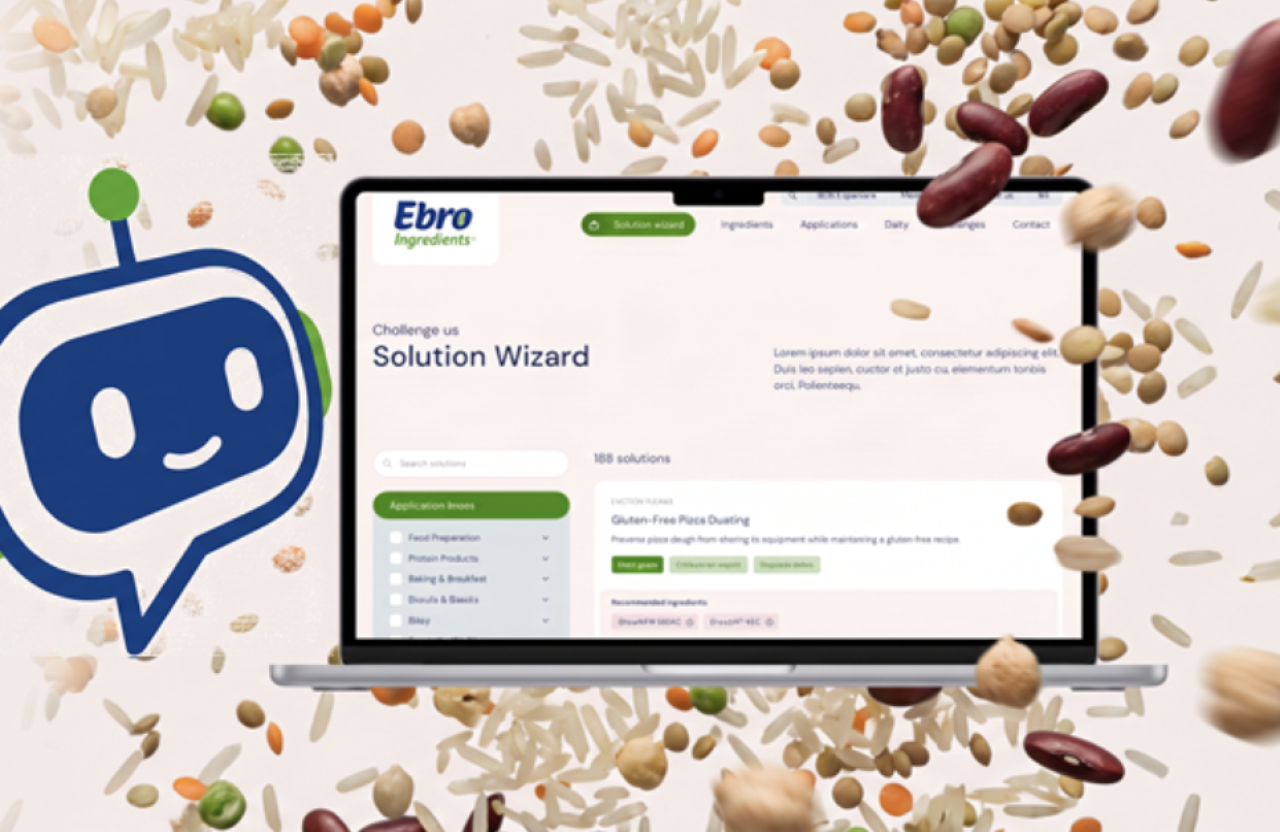
Not sure where to start?

Use our Solution Wizard

Questions about this ingredient?

Form successfully sent. We will contact you as soon as possible.

Cookies

This website uses cookies to improve the browsing experience. Some cookies are necessary for the proper functioning of the website. You can refuse cookies, but this may impact the browsing experience. More info